A practice guide
Gentle yoga for your neck and shoulders
After time at a desk, a short pause can be a chance to move comfortably. Start with a chair, easy breathing and small movements. You do not need a deep stretch or a difficult pose to begin.
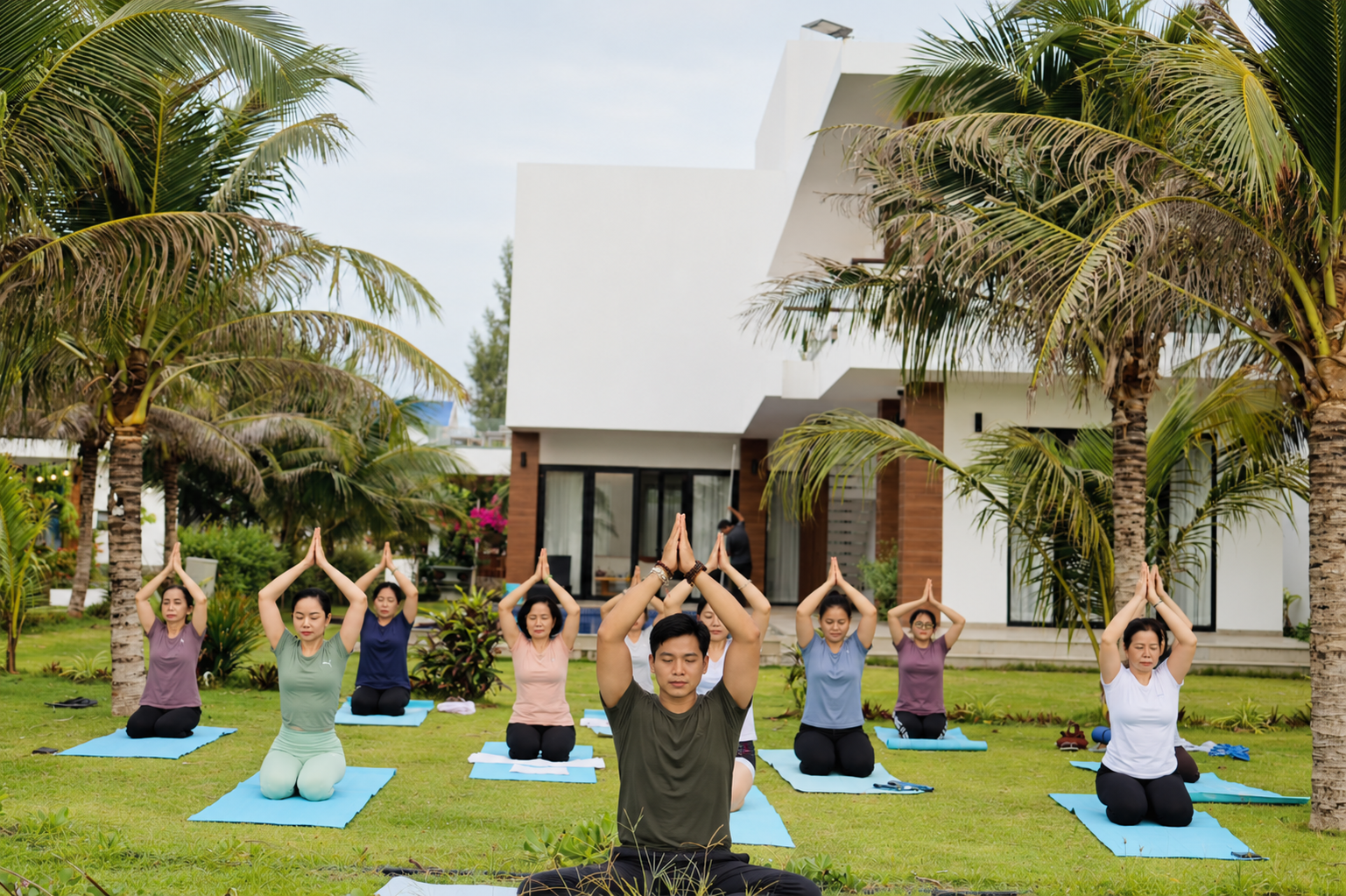
Start with comfort, not a target
Use a stable chair with feet supported and enough room to move. If you have a neck injury or a health condition, ask a qualified health professional whether this activity is suitable. Stop if movement causes pain, dizziness or other discomfort. This is a general movement break, not a treatment programme.
Reference: NCCIH · Yoga: Effectiveness and Safety
1. Settle and breathe easily
Rest your hands on your thighs. Let your shoulders soften and notice a few ordinary breaths. Keep your eyes open if you prefer. There is no need to hold your breath, breathe forcefully or match a fixed count.
Reference: NHS · Breathing exercises for stress
2. Try a small, comfortable neck turn
Sit upright with shoulders relaxed. Slowly turn your head left only as far as feels comfortable, then return to centre. Try the other side. Keep the movement gentle; do not pull your head with your hands. The NHS flexibility guide below shows a seated neck rotation if you want a demonstrated reference.
Reference: NHS · Flexibility exercises
3. Let the shoulders move gently
Return your gaze forwards. Gently roll your shoulders back, keeping your neck comfortable and your breathing easy. Pause whenever you want. During the working day, change position regularly rather than trying to hold one position for hours.
Reference: NHS · Neck pain
Choose a gentle first yoga session in HCMC
Tell the teacher that you want a gentle session with seated options for the neck and shoulders. Ask about their training, teaching language, equipment, venue and full fee. A beginner class should offer alternatives. Avoid starting with headstands, shoulder stands or forceful breathing; NCCIH recommends that beginners avoid these extreme practices.
Reference: NCCIH · Yoga: Effectiveness and Safety
When to ask for medical advice
If neck symptoms worry you, persist for weeks, or include pins and needles or a cold arm, seek medical advice instead of trying to stretch through them. A yoga teacher can adapt a class, but does not replace assessment by a qualified health professional.
Reference: NHS · Neck pain
Practise on your terms
Keep movement gentle and comfortable. Stop if you feel pain or dizziness; seek medical advice for an injury or persistent symptoms.
NCCIH · Yoga: Effectiveness and SafetySources & editorial notes
Sources checked 27 October 2026. Prepared by Mạch Wellness with AI assistance; not clinically reviewed. The short practice prompts are not a validated treatment programme.
