A practice guide
How to reduce everyday stress naturally
Looking for ways to reduce stress naturally? Start with everyday habits you can actually repeat. Here, “naturally” means non-drug wellbeing practices—not a promise of a cure or a reason to stop prescribed treatment.
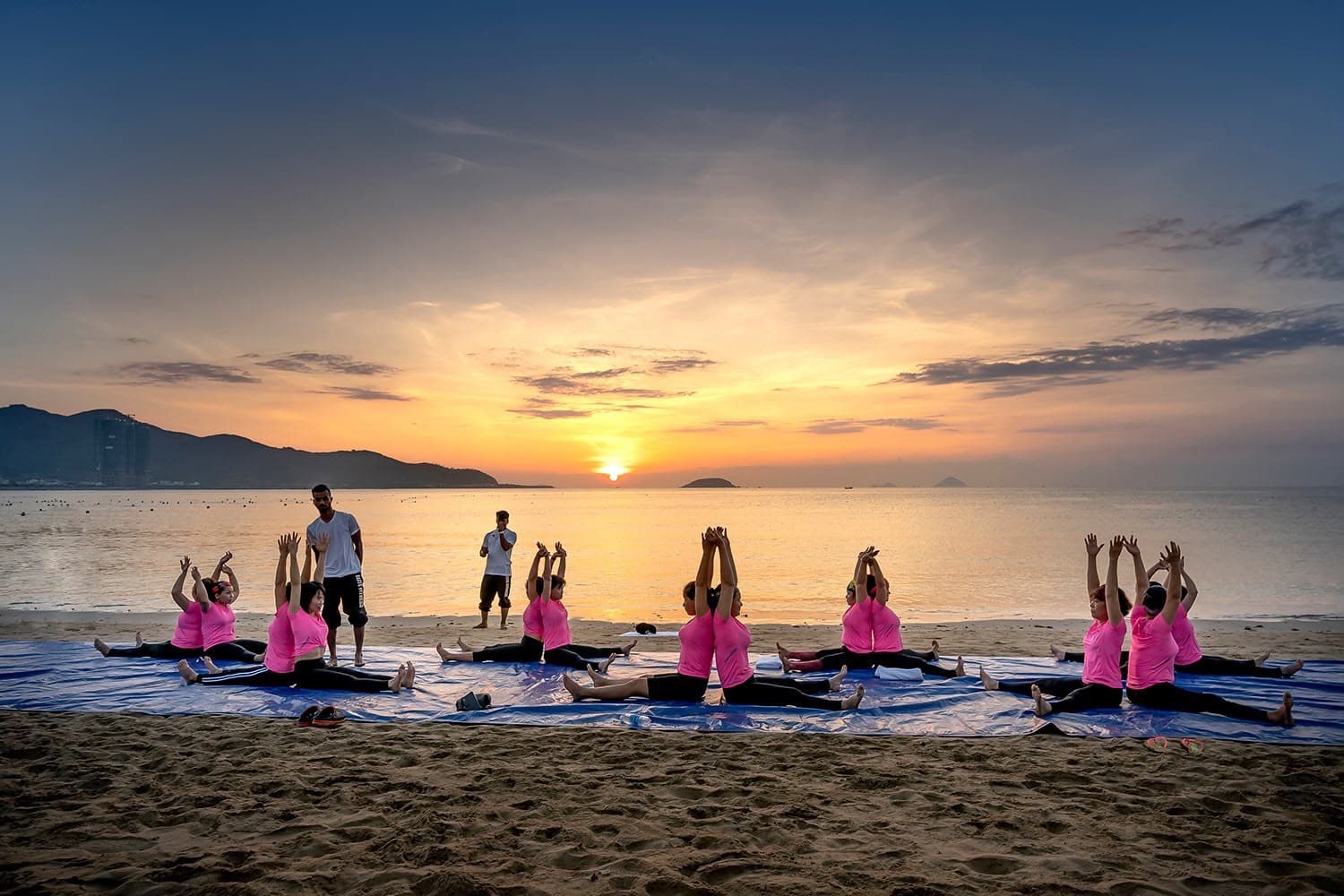
Make room for movement and connection
Physical activity and talking with people you trust can help with managing stress. Neither removes every source of pressure. Choose something accessible: a walk with a friend, a comfortable stretch or a conversation without checking your phone.
Reference: NHS · 10 stress busters
Name the pressure, then one next step
Try a two-column note: “What is taking up my attention?” and “What can I do next?” A crowded calendar might call for moving one non-essential meeting. A confusing task might need a question to a colleague. The aim is a workable action, not a perfect plan or another task list to feel guilty about.
Give a pause a place in your day
Attach a brief pause to a familiar transition: before opening email, after lunch or when arriving home. Notice the room around you and let your breath stay easy. If you would like a more structured breathing exercise, follow the NHS guide below rather than forcing a rhythm.
Reference: NHS · Breathing exercises for stress
Choose support, not another obligation
A private mindfulness session or a gentle group class may give your routine a dedicated space. Before booking in Ho Chi Minh City, compare the teacher’s background, language, format and price. Tell them you are new and ask what the session involves. Wellness instruction is different from mental-health treatment.
Know the limits of self-help
Mindfulness is not helpful for everyone, and some people feel worse when practising it. Stop if it becomes distressing. If stress persists or interferes with daily life, speak with a qualified health professional; do not delay care while trying a wellbeing routine.
Reference: NCCIH · Meditation and Mindfulness: Effectiveness and Safety
Practise on your terms
General wellbeing information, not diagnosis or treatment. Mindfulness can be uncomfortable for some people. Stop if you feel distressed, dizzy or short of breath. These practices do not replace medical care; consult a qualified health professional if symptoms persist or affect daily life.
NCCIH · Meditation and Mindfulness: Effectiveness and SafetySources & editorial notes
Sources checked 16 October 2026. Prepared by Mạch Wellness with AI assistance; not clinically reviewed. The short practice prompts are not a validated treatment programme.
